
Haemorrhoids Treatment
General information only: This article provides general educational information about haemorrhoid treatment. It does not replace personalised advice from your GP or surgeon. Rectal bleeding must always be assessed by a doctor before being attributed to haemorrhoids. |
One Condition — Many Treatments
Haemorrhoids affect up to three in four adults at some point in their lifetime. Yet despite how common they are, many patients are unsure what treatment options exist, which is appropriate for their situation, and when surgery is actually necessary.
Treatment follows a stepwise approach — beginning with the simplest and least invasive measures, then progressing to procedural and surgical options as symptoms demand. The right treatment depends on the grade of haemorrhoids, the nature and severity of symptoms, whether conservative measures have already been tried, the patient’s overall health, and individual preference.
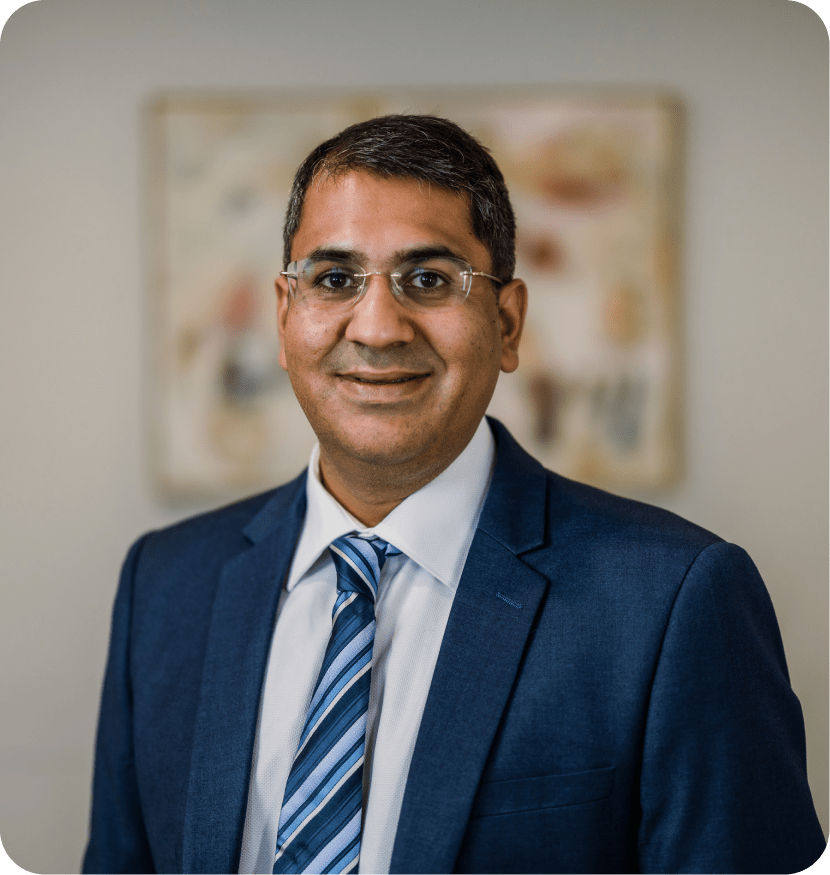
Dr Devesh Kaushal is a specialist general surgeon at 4 Hyde Parade, Campbelltown, providing haemorrhoid assessment and treatment from rubber band ligation through to surgical haemorrhoidectomy for patients across South Western Sydney.
Haemorrhoid Assessment — Campbelltown (02) 7906 8312 | drdeveshkaushal.com.au | 4 Hyde Parade, Campbelltown NSW 2560 |
Before Treatment — Assessment First
Rectal bleeding and perianal symptoms are not always caused by haemorrhoids. Colorectal cancer, inflammatory bowel disease, polyps and anal fissure can produce similar symptoms. A clinical assessment is essential — particularly in adults over 40 with new or unexplained rectal bleeding, or those with blood mixed through the stool, change in bowel habit, or unexplained weight loss.
See your GP first: A GP assessment is the appropriate starting point. Your GP will assess whether further investigation — such as colonoscopy — is needed before treatment is commenced, and will refer to a specialist surgeon if procedural or surgical management is indicated. |
The Haemorrhoid Treatment Pathway — Step by Step
The following nine steps represent the full treatment spectrum — from the simplest dietary changes through to surgical haemorrhoidectomy.
1 Grade I–II | All grades (foundation) | Dietary and Lifestyle Modification The most important starting point for all patients, regardless of grade. A high-fibre diet (25–30g daily) produces soft stools that pass without straining. Adequate fluid (6–8 glasses daily) prevents hard stools. Avoiding prolonged toilet sitting, not straining, and regular physical activity reduce haemorrhoidal pressure. In many Grade I and mild Grade II cases, consistent dietary change significantly reduces or resolves symptoms without any procedural treatment. |
2 Grade I–II | Symptom relief | Topical Creams and Suppositories Over-the-counter topical preparations — including Preparation H, Anusol, Proctosedyl and Ultraproct — contain local anaesthetic, astringents and anti-inflammatory agents. They provide symptom relief for pain, itch and swelling. They do not treat or resolve the underlying haemorrhoids. Should not be used for more than 7 to 10 days without medical advice due to the risk of steroid-related skin sensitisation. |
3 All grades | Adjunct | Stool Softeners and Fibre Supplements Where constipation contributes to straining, stool softeners (docusate), osmotic laxatives (lactulose, macrogol) or fibre supplements (psyllium husk) produce consistently soft, easy-to-pass stools. These are an important adjunct to dietary change and are essential in the post-procedural and post-operative period to prevent painful hard stools. |
4 All grades | Symptom relief and healing | Sitz Baths Sitting in a shallow bath of plain warm water for 10 to 15 minutes, two to three times daily and after every bowel motion. Reduces discomfort, promotes blood flow, relaxes the internal anal sphincter and supports wound healing. Particularly important after haemorrhoidectomy. No additives required — plain warm water is effective. |
5 Grade I–III (selected) | Office procedure | Rubber Band Ligation (RBL) The most widely used office-based procedure for internal haemorrhoids. A small elastic band placed at the base of the haemorrhoid cuts off its blood supply. The haemorrhoid shrivels and falls away within 5 to 10 days. Dr Kaushal performs rubber band ligation in hospital under general anaesthesia. Mild pressure or discomfort for 24 to 48 hours afterwards is common. One to three haemorrhoids per session, sessions spaced 4 to 6 weeks apart. Performed under general anaesthesia — you will not be able to drive home. A responsible adult must accompany you. |
6 Grade I–II | Office procedure | Sclerotherapy Chemical injection into the base of the internal haemorrhoid causes fibrosis and shrinkage. Less commonly used than rubber band ligation, but preferred for patients on anticoagulation therapy where banding carries a higher delayed bleeding risk, and for Grade I haemorrhoids in selected settings. |
7 Grade II–III | Surgical (day procedure) | Haemorrhoidal Artery Ligation (HAL/HALO) Doppler-guided ligation of the haemorrhoidal feeding arteries reduces blood supply, causing haemorrhoids to shrink. Often combined with mucopexy — suture fixation of prolapsing tissue. Performed under general or spinal anaesthesia. Less post-operative pain than conventional haemorrhoidectomy. Best suited to Grade II–III haemorrhoids without large external components. Higher recurrence rate than surgical haemorrhoidectomy. |
8 Grade III (selected) | Surgical | Stapled Haemorrhoidopexy (PPH) A circular stapling device removes a ring of prolapsing mucosa above the dentate line, repositioning haemorrhoidal cushions. Less early post-operative pain than conventional haemorrhoidectomy because the staple line is above the pain-sensitive zone. Higher long-term recurrence and prolapse rates — particularly for large Grade III and Grade IV haemorrhoids. Used in selected Grade III cases. |
9 Grade III–IV | Surgical | Surgical Haemorrhoidectomy Surgical excision of haemorrhoidal tissue under general or spinal anaesthesia. Open (Milligan-Morgan) or closed (Ferguson) technique. Provides the most durable result with the lowest long-term recurrence rate of all haemorrhoid treatments. More significant post-operative pain than other approaches — comprehensive analgesia including regular paracetamol, anti-inflammatories and warm sitz baths is prescribed. Most patients manage well with the prescribed regimen. |
Which Treatment for Which Grade — Quick Reference
Grade | Prolapse | First-Line Treatment | If Not Responding |
I | None | Diet + fluid + topical. RBL if bleeding persists. | Repeat banding. Review diagnosis. |
II | Spontaneous | Diet + fluid + RBL. | Repeat banding, sclerotherapy, or HAL/HALO. |
III | Manual reduction | RBL for smaller Grade III. Diet + lifestyle. | Haemorrhoidectomy or HAL/HALO. |
IV | Permanent | Surgical haemorrhoidectomy. | Emergency haemorrhoidectomy if thrombosed. |
Thrombosed External Haemorrhoids — A Special Case
Thrombosed external haemorrhoids occur when a blood clot forms in an external haemorrhoidal vessel, producing sudden intense pain and a firm, purple-blue lump at the anal margin. Unlike internal haemorrhoids, thrombosed external haemorrhoids are acutely painful because the external anal skin contains pain receptors.
- Within 48–72 hours of onset: Surgical evacuation or excision under local anaesthesia in the consulting rooms provides rapid, significant pain relief. Most effective when performed early.
- Beyond 72 hours: The thrombosis is beginning to resolve naturally. Conservative management — warm sitz baths, stool softeners, topical local anaesthetic and adequate oral analgesia — allows resorption over 2 to 4 weeks. Surgical intervention is less likely to benefit at this stage.
See a doctor promptly: A thrombosed external haemorrhoid is extremely painful and should be assessed by a doctor promptly. Early assessment allows for the option of surgical evacuation when it would provide the most benefit. |
Rubber Band Ligation — Common Patient Questions
Question | Answer |
Does it hurt? | Pressure or mild aching for 24–48 hours — not sharp pain as the band is placed above the pain-sensing zone. Managed with paracetamol and warm sitz baths. |
Do I need anaesthesia? | Dr Kaushal performs rubber band ligation under general anaesthesia in hospital. You will not be able to drive yourself home. A responsible adult must be available to take you home. |
How long does it take? | The procedure takes a few minutes. Allow 30 minutes for the whole visit. |
When can I return to work? | Same day or next day for desk work. Avoid heavy lifting for 24–48 hours. |
Will there be bleeding? | A small amount of bright red blood at 5–10 days when the banded haemorrhoid separates is expected. Significant heavy bleeding requires urgent review. |
How many sessions? | One to three haemorrhoids per session. Multiple sessions 4–6 weeks apart may be needed for Grade II–III with multiple columns. |
Recovery After Haemorrhoidectomy
Timeframe | What to Expect |
Day of surgery | Significant anal discomfort. Regular prescribed analgesia. Warm sitz bath day 1. Rest at home. No driving. |
Days 1–5 | Pain with bowel motions — most challenging phase. Stool softeners essential. Sitz baths 3x daily and after each motion. Small blood with motions expected. |
Days 5–14 | Pain gradually improving. Continue sitz baths and stool softeners. Avoid constipation. |
Weeks 2–4 | Return to desk work from week 2. Considerably more comfortable. |
Weeks 4–6 | Return to physical work and full activity. Wound healing nearly complete. |
6–8 weeks | Full wound healing. Maintain dietary fibre and fluid long-term to prevent recurrence. |
Pain tip: Take prescribed pain relief 30 to 45 minutes before a bowel motion. Warm sitz bath immediately afterwards provides significant relief. Do not delay going to the toilet — this makes stools harder and increases pain. |
Recurrence — Which Treatment Lasts Longest?
Treatment | Approx. Recurrence Rate | Key Point |
Rubber band ligation | 30–50% within 5 years | Repeat banding usually effective for recurrence |
Sclerotherapy | Higher than RBL | May require progression to surgery |
HAL / HALO | 10–30% within 2 years | Best in Grade II–III without large external component |
Stapled haemorrhoidopexy (PPH) | Higher than haemorrhoidectomy | Higher prolapse recurrence in Grade IV |
Surgical haemorrhoidectomy | ~5–10% long-term | Lowest recurrence — dietary maintenance important |
Frequently Asked Questions
Do I need surgery or can banding treat my haemorrhoids?
This depends on the grade. Grade I and II haemorrhoids are generally suitable for rubber band ligation as first-line procedural treatment. Grade III haemorrhoids may be treated with banding initially, but larger or more symptomatic Grade III — and all Grade IV — typically require surgical haemorrhoidectomy for lasting improvement. A clinical assessment determines the appropriate approach.
Can I treat haemorrhoids at home without seeing a doctor?
Mild symptoms may improve with dietary measures and over-the-counter topical preparations. However, rectal bleeding should always be assessed by a doctor before being assumed to be haemorrhoidal — particularly in adults over 40. Higher-grade haemorrhoids will not respond to home measures and require procedural or surgical treatment. Delay can allow the condition to progress.
I am on blood thinners — can I have haemorrhoid treatment?
Blood-thinning medications — warfarin, apixaban, rivaroxaban, dabigatran, clopidogrel and aspirin — affect the approach to haemorrhoid treatment. Rubber band ligation carries a risk of delayed significant bleeding in anticoagulated patients. Sclerotherapy may be preferred. Surgical haemorrhoidectomy requires a planned period of anticoagulation cessation under medical supervision. Discuss with Dr Kaushal and your prescribing doctor before any procedure. Do not stop anticoagulation without medical guidance.
What should I eat after haemorrhoid surgery?
A high-fibre, soft diet is recommended in the first weeks after haemorrhoidectomy. Increase fruit, vegetables, cooked grains and legumes. Take fibre supplements (psyllium husk) if dietary fibre is insufficient. Drink 6 to 8 glasses of water daily. Take prescribed stool softeners consistently. Avoid foods that cause constipation — processed foods, white bread, excessive red meat. Maintain a high-fibre diet long-term after surgery to reduce the risk of recurrence.
Will haemorrhoids keep coming back?
Haemorrhoids can recur after any treatment if the underlying contributing factors are not addressed. Surgical haemorrhoidectomy has the lowest long-term recurrence rate. Regardless of the treatment received, maintaining adequate dietary fibre, fluid intake, avoiding straining and prolonged toilet sitting, and regular physical activity are the most important measures to prevent recurrence.
|
Specialist General Surgeon | Upper GI and Bariatric Surgery 4 Hyde Parade, Campbelltown NSW 2560 Phone: (02) 7906 8312 Email: [email protected] | drdeveshkaushal.com.au Office Hours: Monday – Friday, 9:00 AM – 5:00 PM Current hospital appointments and accreditations include: Sydney Southwest Private Hospital Liverpool | Campbelltown Public Hospital | Campbelltown Private Hospital | The George Hospital Medicare rebates and private health insurance benefits may apply depending on the service, referral and individual policy. Please contact the rooms and your insurer regarding fees and potential out-of-pocket costs. |
|
General information only: This article provides general educational information about haemorrhoid treatment options. It does not replace personalised advice from your GP or surgeon. Rectal bleeding must always be assessed by a doctor before being attributed to haemorrhoids. |