
What to Expect and When to Seek Assessment
General information only: This article provides general educational information. It is not a diagnosis or personalised treatment recommendation and does not replace advice from your surgeon, GP, dermatologist or accredited practising dietitian. Hair shedding after bariatric surgery can have several causes. Persistent, patchy, scarring or otherwise concerning hair loss should be clinically assessed. |
Hair Shedding After Bariatric Surgery
Diffuse hair shedding can occur several months after bariatric surgery. A common pattern is telogen effluvium, in which more hair follicles than usual enter the resting phase of the hair cycle after a physiological stressor. Surgery, rapid weight loss and major changes in energy and nutrient intake may all contribute.
Not every episode of hair loss after bariatric surgery is telogen effluvium. Nutritional deficiency, thyroid disease, anaemia and dermatological conditions are among the other possibilities. The pattern, timing and associated symptoms help determine whether further assessment is needed.
When Can It Occur?
Postoperative telogen effluvium often becomes noticeable a few months after surgery. Timing and severity vary, and there is no single course that applies to every patient.
Approximate period | Possible course |
First 2–3 months | Visible shedding may be absent or mild, although timing varies. |
Around 3–6 months | Diffuse shedding may become more noticeable in some patients. |
Around 6–12 months | Shedding may lessen and regrowth may become apparent, but recovery is variable. |
Beyond 12 months | Ongoing, worsening or incomplete recovery should prompt consideration of nutritional, medical or dermatological causes. |
What May Contribute?
Physiological stress associated with major surgery.
Rapid weight loss and a substantial reduction in energy intake.
Inadequate protein or micronutrient intake in some patients.
Confirmed deficiencies such as iron or zinc deficiency.
Other medical or dermatological conditions unrelated to the bariatric procedure.
Observational studies have reported associations between postoperative hair loss and nutritional factors including ferritin, folate and zinc. These associations do not establish that routine extra supplementation will prevent telogen effluvium.
Nutrition After Bariatric Surgery
Meeting the nutritional plan recommended after bariatric surgery is important for recovery and long-term health. Correcting a confirmed deficiency is appropriate, but no supplement can be guaranteed to prevent or rapidly reverse postoperative telogen effluvium.
Protein
Adequate protein intake is important after bariatric surgery, including for preservation of lean body mass. Protein requirements vary with the procedure and the individual. Many postoperative programs use targets in the range of about 60–80 g per day or an individualised target based on body size and clinical circumstances. Follow the target provided by your bariatric dietitian or treating team rather than relying on a general figure.
Iron
Iron deficiency can contribute to hair loss. Ferritin should be interpreted with the full blood count, iron studies, clinical history and, where relevant, inflammatory state. Additional iron should be taken only when recommended by the treating team because unnecessary or excessive supplementation can cause harm.
Zinc and copper
Use the vitamin and mineral regimen recommended for your bariatric procedure. Additional zinc should not be started solely for hair shedding without review of dietary intake, the procedure and relevant results. Excess zinc can impair copper absorption; prolonged imbalance can cause clinically important copper deficiency.
Biotin
High-dose biotin is not routinely recommended solely for postoperative hair shedding in the absence of a demonstrated deficiency or another specific clinical indication. Evidence that biotin improves postoperative telogen effluvium without deficiency is limited.
Biotin supplements can also interfere with some laboratory tests, including certain thyroid, hormone and cardiac assays. Tell your doctor and pathology provider about any hair, skin or nail supplements before blood testing and follow their advice about whether the supplement needs to be withheld.
Prescribed Bariatric Supplements
Continue the vitamin and mineral supplementation prescribed for your bariatric procedure unless your treating team advises otherwise. Requirements vary by operation and individual factors. Avoid combining multiple supplements without checking the total doses of nutrients such as iron, zinc, copper, vitamin A and selenium.
Hair Care While Shedding
Gentle hair care will not prevent telogen effluvium, but it may reduce additional breakage or traction-related loss. Reasonable measures include:
Avoiding hairstyles that place sustained tension on the hair.
Limiting excessive heat styling.
Avoiding harsh chemical treatments while shedding is active if these aggravate breakage.
Using gentle hair-care practices and avoiding vigorous rubbing or traction.
When to Seek Assessment
Arrange clinical assessment if hair loss is:
Patchy, asymmetric or associated with discrete bald areas.
Associated with scalp redness, scaling, pain, scarring or broken hairs.
Associated with loss of eyebrows or eyelashes.
Severe, progressive, or not showing improvement over the expected postoperative period.
Accompanied by symptoms such as fatigue, pallor, weakness, oedema, cold intolerance or other systemic symptoms.
Occurring in the setting of persistent vomiting, very low intake, difficulty tolerating food, or inability to take prescribed supplements.
Earlier assessment is also reasonable whenever the diagnosis is uncertain or the degree of shedding is causing significant concern.
What Tests Might Be Considered?
Testing should be guided by the bariatric procedure, routine postoperative monitoring, symptoms, dietary history and examination. Hair loss alone does not require every test listed below. Depending on the clinical situation, assessment may include:
Full blood count and iron studies, including ferritin.
Folate and vitamin B12.
Zinc and copper where clinically appropriate.
Thyroid function.
Other nutritional, liver, kidney or protein-status tests when indicated by the clinical picture.
Patchy, scarring or otherwise atypical alopecia may require GP, physician or dermatology assessment.
Frequently Asked Questions
Will all my hair fall out?
Complete hair loss is not typical of postoperative telogen effluvium. It usually causes diffuse increased shedding. Patchy, scarring or very extensive hair loss should be assessed for another cause.
Is there a treatment that stops the shedding?
There is no supplement or treatment that can be guaranteed to stop postoperative telogen effluvium once it has started. Management focuses on meeting prescribed nutritional requirements, identifying and treating confirmed deficiencies, considering other causes and allowing time for the hair cycle to recover.
I am still shedding at six months. Should I be concerned?
Shedding can still be present at six months. Review is appropriate if it is severe, worsening, associated with other symptoms or causing significant concern. Persistent shedding without improvement over the following months warrants further assessment.
Should I take biotin?
Routine high-dose biotin is not recommended solely for postoperative hair shedding unless a clinician identifies deficiency or another indication. It may also interfere with laboratory testing, so discuss it with your treating team before use.
Who should I contact about hair loss?
A GP is a reasonable first point of assessment. Your bariatric team can review nutritional intake and postoperative supplementation. Dermatology assessment may be appropriate for patchy, scarring, persistent or otherwise atypical hair loss.
Seeking Follow-Up
If you have concerns about postoperative hair shedding, discuss them with your GP or bariatric treating team. The appropriate assessment depends on the pattern of hair loss, nutritional intake, postoperative course, medicines, examination and any associated symptoms.
Practice Information
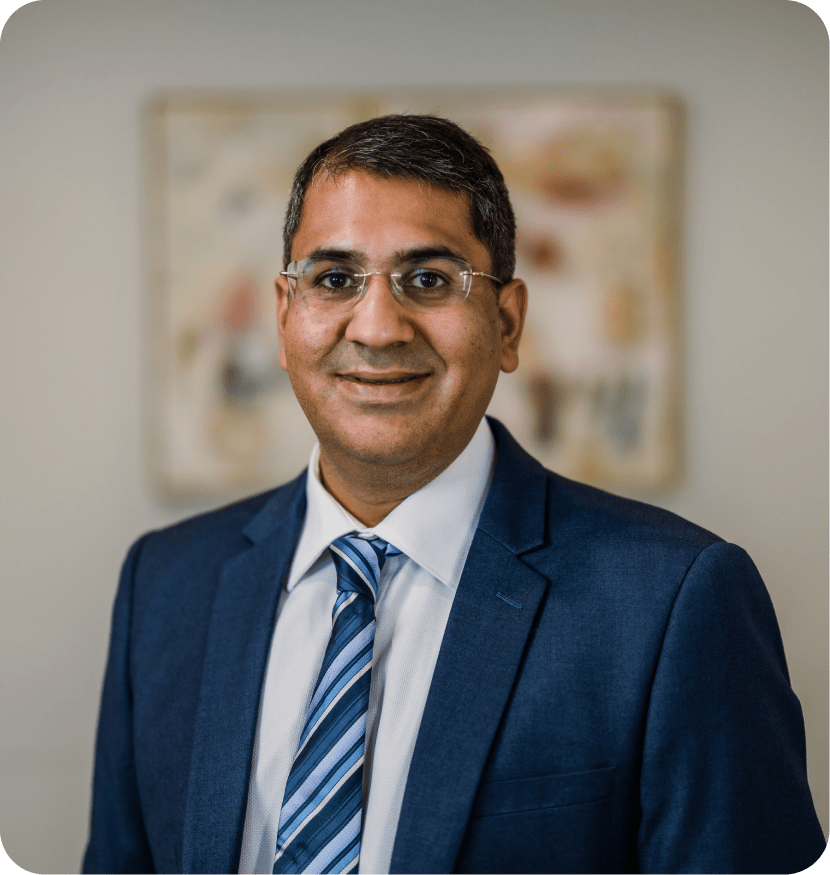
Dr Devesh Kaushal, MBBS, MS, FRACS
Specialist General Surgeon Campbelltown | Practice interests include upper gastrointestinal and bariatric surgery
Campbelltown Consulting Rooms | 4 Hyde Parade, Campbelltown NSW 2560
Phone: (02) 7906 8312 | Email: [email protected]
A GP referral is generally required to claim an eligible Medicare specialist consultation rebate. Fees, rebates and private health insurance benefits vary according to the service and individual circumstances. Patients should confirm likely costs with the practice and their insurer where applicable.
Important: This page is educational. It does not claim that a particular test, supplement or treatment is appropriate for every person with postoperative hair loss, and it does not guarantee prevention or regrowth. Individual decisions require clinical assessment. |
Dr Devesh Kaushal, MBBS, MS, FRACS
Specialist General Surgeon Campbelltown | Practice interests include upper gastrointestinal and bariatric surgery
Campbelltown Consulting Rooms | 4 Hyde Parade, Campbelltown NSW 2560
Phone: (02) 7906 8312 | Email: [email protected]
A GP referral is generally required to claim an eligible Medicare specialist consultation rebate. Fees, rebates and private health insurance benefits vary according to the service and individual circumstances. Patients should confirm likely costs with the practice and their insurer where applicable.
Important: This page is educational. It does not claim that a particular test, supplement or treatment is appropriate for every person with postoperative hair loss, and it does not guarantee prevention or regrowth. Individual decisions require clinical assessment. |
Key References and Guidance
Medical Board of Australia / Ahpra. Guidelines for advertising a regulated health service.
Australian Medical Association. Position Statement on Advertising and Public Endorsement.
Royal Australasian College of Surgeons. Guidance on surgical specialty titling.
Current bariatric nutrition guidance and peer-reviewed literature on postoperative telogen effluvium and micronutrient monitoring.
Read about more Chronic Constipation