
Laparoscopic Sleeve Gastrectomy — Expert Bariatric Surgery for Macarthur Region
For Campbelltown and Macarthur region residents considering weight loss surgery, specialist bariatric care is now available right here — without the need to travel to Sydney’s CBD or major metropolitan hospitals.
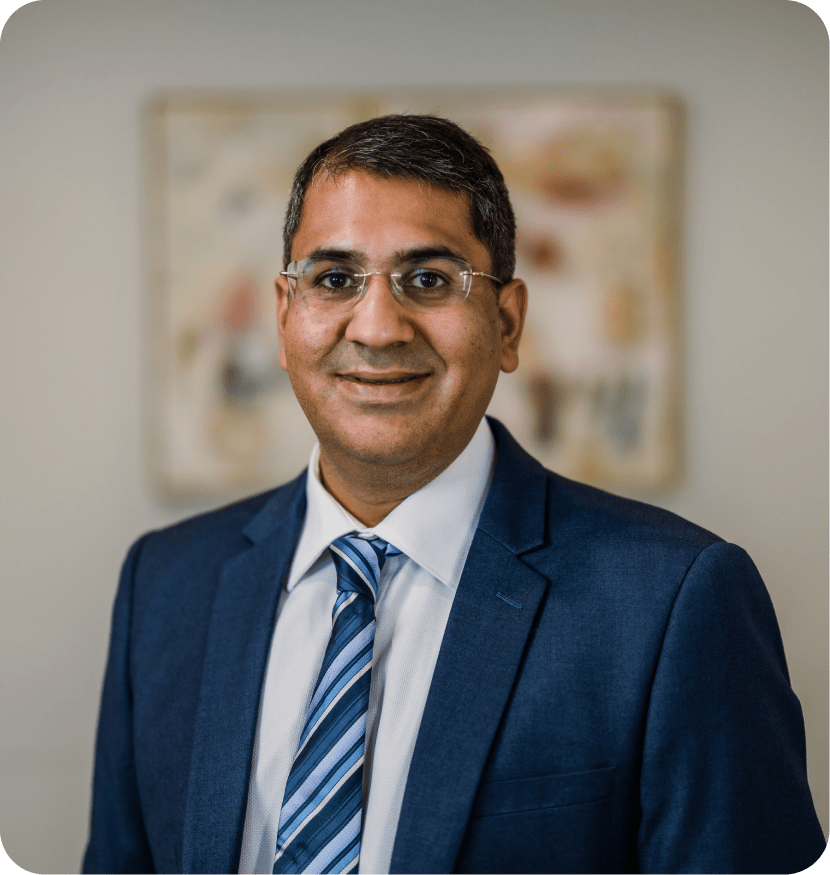
Dr Devesh Kaushal is an upper GI, bariatric, and general surgeon consulting at 4 Hyde Parade, Campbelltown. He specialises in laparoscopic sleeve gastrectomy — the most commonly performed bariatric procedure in Australia for weight loss — and provides a complete, locally coordinated weight loss surgery pathway for patients across the Macarthur region.
Whether you are just beginning to explore your options or have already decided that gastric sleeve surgery is right for you, this page explains everything you need to know: what the procedure involves, who qualifies, what results to expect, and how to access the service in Campbelltown.
Campbelltown Consulting Rooms | 4 Hyde Parade, Campbelltown NSW 2560 Appointments within 4–8 weeks depending on urgency | Book online at drdeveshkaushal.com.au | Call (02) 7906 8312 |
Gastric sleeve surgery — formally called laparoscopic sleeve gastrectomy — is a minimally invasive weight loss operation in which approximately 70 to 80% of the stomach is permanently removed, leaving a narrow, tube-shaped “sleeve” roughly the size and shape of a banana.
The gastric sleeve works through two distinct mechanisms:
Restriction | Hormonal Change |
The reduced stomach volume means you feel full after a significantly smaller amount of food. Meals that previously required a plate-sized serving now satisfy with a cup-sized portion. This dramatically reduces calorie intake — typically by 50 to 70% in the months following surgery. | The portion of stomach removed contains the majority of the cells that produce ghrelin — the hormone responsible for hunger and appetite. After sleeve gastrectomy, ghrelin levels fall significantly, reducing hunger and making it easier to maintain the reduced food intake. |
Procedure | Laparoscopic sleeve gastrectomy (keyhole surgery) |
Operation time | 60 – 90 minutes |
Hospital stay | 2 – 3 nights at Campbelltown Private Hospital |
Anaesthesia | General anaesthesia |
Average excess weight loss | 60 – 70% at 12–18 months |
Return to desk work | 2 – 3 weeks |
Return to full activity | 4 – 6 weeks |
Stomach removed | Approximately 70–80% (permanent) |
Reversible? | No — permanent procedure |
Followed by malabsorption? | No — digestion works normally |
Campbelltown location | 4 Hyde Parade, Campbelltown NSW 2560 |
Eligibility for gastric sleeve surgery is assessed using internationally accepted criteria based on body mass index (BMI) and the presence of obesity-related health conditions. Dr Kaushal considers the following in making an eligibility determination:
Not sure if you qualify? The best way to find out is a consultation with Dr Kaushal at the Campbelltown rooms. He will review your BMI, health conditions, weight history, and goals — and give you an honest, clear answer on whether gastric sleeve surgery is right for you. |
Dr Kaushal performs laparoscopic sleeve gastrectomy using a minimally invasive keyhole approach. Here is a step-by-step explanation of what happens in the operating theatre:
1 | General Anaesthesia You are placed under general anaesthesia — you are completely asleep and feel nothing. The anaesthetic team monitors your breathing, blood pressure, heart rate, and oxygen levels continuously throughout the procedure. |
2 | Five Small Incisions Dr Kaushal makes five small incisions (5–15mm) in the abdomen. A laparoscope — a thin tube with a high-definition camera — is inserted through one incision, transmitting live images to a monitor. Specialised surgical instruments are inserted through the remaining incisions. |
3 | Stomach Division and Removal A surgical stapler is used to divide the stomach along its length, creating a narrow tube (sleeve) approximately 100–150mL in capacity. The removed portion — approximately 70–80% of the stomach — is extracted through one of the small incisions. The staple line is checked carefully for any leaks before closing. |
4 | Leak Test Before completing the procedure, Dr Kaushal performs a leak test — injecting a coloured fluid or air into the sleeve to confirm the staple line is completely sealed and intact. Patient safety is the top priority at every stage of the procedure. |
5 | Closure and Recovery The incisions are closed with dissolvable stitches — no staples to remove. You are transferred to the recovery room where nursing staff monitor you closely as you wake from anaesthesia. Most patients are moved to the ward within 1 to 2 hours of the procedure completing. |
6 | Hospital Stay — 2 to 3 Nights Most gastric sleeve patients remain in hospital for 2 to 3 nights at Campbelltown Private Hospital. During this time, your pain is managed, you are started on a liquid diet, and the team monitors for any early complications. You are assessed for discharge when you are mobile, tolerating fluids, and your pain is controlled. |
Gastric sleeve surgery produces significant, sustained weight loss for the majority of patients. Results vary depending on starting weight, adherence to dietary guidelines, physical activity, and individual metabolic factors.
Timeframe | Typical Weight Loss Progress |
3 months | Rapid initial weight loss — 30–40% of excess weight lost. Appetite significantly reduced. Lifestyle changes embedding. |
6 months | Continued steady loss — 50–60% of excess weight. Most patients notice major improvements in energy, mobility, and comorbidities. |
12 months | Peak weight loss — typically 60–70% of excess weight. Many patients achieve their target weight or close to it by this point. |
18–24 months | Weight stabilisation — long-term maintenance phase begins. Continued focus on diet quality, protein intake, and exercise. |
Long-term | Most patients maintain 50–60% of excess weight loss at 5 years with appropriate lifestyle support and follow-up. |
Dr Kaushal has developed a structured, locally delivered bariatric surgery pathway for Campbelltown and Macarthur region patients. Every stage of your journey is coordinated through the Campbelltown rooms.
Stage | What Happens |
GP Referral | Your GP refers you to Dr Kaushal at 4 Hyde Parade, Campbelltown. Ask for a bariatric surgery referral. If you have a BMI over 35 with health conditions, mention this to your GP. |
Initial Consultation | Dr Kaushal reviews your full history, BMI, health conditions, and previous weight loss attempts. Eligibility is assessed. The procedure, risks, benefits, and lifestyle requirements are explained in detail. |
Pre-op Assessment | Blood tests, ECG, chest X-ray, sleep study (if needed), gastroscopy (to check stomach before surgery), dietary assessment with a bariatric dietitian, and psychological assessment if indicated. |
Multidisciplinary Review | Dr Kaushal reviews all pre-op results with the bariatric team. Any conditions requiring optimisation before surgery (e.g., dietician, exercise physiologist, diabetes management, sleep apnoea treatment) are addressed. |
Surgery Date Booked | Surgery is scheduled at Campbelltown Private Hospital. Pre-admission paperwork, hospital insurance approval, and anaesthetic pre-assessment are arranged. |
2-Week Pre-op Diet | A high-protein, low-carbohydrate liver-shrinking diet for 2 weeks before surgery. Reduces liver size and abdominal fat, making surgery safer and easier to perform. |
Surgery Day | Laparoscopic sleeve gastrectomy at Campbelltown Private Hospital. Approximately 60–90 minutes. Hospital stay 2–3 nights. |
Post-op Diet Stages | Stage 1 (week 1–2): Clear fluids. Stage 2 (week 3–4): Pureed foods. Stage 3 (month 2): Soft foods. Stage 4 (month 3+): Normal textured foods in small portions. |
Ongoing Follow-Up | Appointments at 1 month, 3 months, 6 months, 12 months, and annually thereafter. Blood tests and nutritional monitoring at each visit. Bariatric dietitian support throughout. |
Lifelong supplementation is essential after gastric sleeve surgery. Although the sleeve does not cause malabsorption like gastric bypass, the reduced food intake means nutritional deficiencies — particularly iron, vitamin B12, vitamin D, and calcium — can develop without supplementation. Dr Kaushal monitors your nutritional status at every follow-up appointment. |
Gastric sleeve surgery is safe and effective — but like all surgical procedures, it carries risks. Dr Kaushal provides full, transparent informed consent at your consultation. Key risks include:
Reflux and sleeve gastrectomy: If you have existing gastro-oesophageal reflux disease (GORD) or hiatus hernia, please discuss this specifically with Dr Kaushal at consultation. In some patients with significant reflux, gastric bypass may be a preferable alternative to sleeve gastrectomy. |
Both gastric sleeve and gastric bypass are effective weight loss operations. The right choice depends on your individual health profile, BMI, comorbidities, and personal preferences. Here is how they compare:
Factor | Gastric Sleeve | Gastric Bypass (RYGB) |
Mechanism | Restriction + reduced ghrelin (hunger hormone) | Restriction + malabsorption + hormonal changes |
Weight loss | 60–70% excess weight — excellent | 70–80% excess weight — slightly more |
Surgical complexity | Simpler — shorter operation | More complex — bowel rerouted |
Type 2 diabetes | Very good remission rates | Highest diabetes remission rates of all bariatric ops |
GORD / reflux | May worsen reflux in some patients | Improves or resolves GORD in most patients |
Nutritional risk | Lower — no malabsorption | Higher — iron, B12, calcium monitoring essential |
Reversibility | Permanent — not reversible | Permanent — not reversible |
Dumping syndrome | Not a significant feature | Can occur — requires dietary management |
Best suited for | Most patients — first-line bariatric option | GORD, very high BMI, severe diabetes, inadequate sleeve response |
Understanding the cost of gastric sleeve surgery is an important part of your decision. Here is an overview of how costs are structured for Campbelltown patients:
Transparency first: Dr Kaushal’s team will provide you with a full written cost estimate — including surgeon fees, hospital fees, and likely out-of-pocket costs — before you commit to surgery. There are no surprises. Contact (02) 7906 8312 for a cost estimate. |
FRACS Qualified Fellow of the Royal Australasian College of Surgeons — the highest surgical qualification in Australia and New Zealand. | Campbelltown-Based Consulting rooms at 4 Hyde Parade, Campbelltown — no need to travel to the city for specialist bariatric surgical care. |
15+ Years Specialist Experience Extensive experience in laparoscopic bariatric surgery including sleeve gastrectomy, gastric bypass, and revision bariatric procedures. | Campbelltown Hospital Privileges Surgery performed at Campbelltown Private Hospital — your bariatric care stays entirely local, close to home and family. |
Minimally Invasive Approach Laparoscopic (keyhole) technique for all bariatric procedures — smaller incisions, less pain, faster recovery, and lower complication rates. | Comprehensive Aftercare Structured follow-up program including dietitian support, nutritional monitoring, and long-term weight management — not just the surgery, but the journey. |
The best way to find out is a consultation with Dr Kaushal at the Campbelltown rooms. Generally, gastric sleeve is suitable for adults with a BMI of 40 or above, or BMI 35 or above with obesity-related health conditions, who have made genuine attempts at sustained weight loss through lifestyle changes without achieving durable results. Dr Kaushal assesses your individual situation and provides an honest recommendation.
Gastric sleeve surgery for Campbelltown patients is performed at Campbelltown Private Hospital — typically a 2 to 3 night admission. Your consultation is at 4 Hyde Parade, Campbelltown NSW 2560. All follow-up appointments are also at the Campbelltown rooms.
Most patients lose between 60 and 70% of their excess body weight over 12 to 18 months. Individual results vary based on starting weight, dietary adherence, physical activity, and metabolic factors. Dr Kaushal will give you a realistic, personalised expectation at consultation based on your specific circumstances.
Yes — with conditions. Medicare rebates apply to the surgical fees with a valid referral. Private health insurance cover for bariatric surgery typically requires Gold-tier hospital cover and a 12-month waiting period for new members. Contact your insurer to confirm your cover. Dr Kaushal’s team will explain all costs and confirm Medicare item numbers at your consultation.
Pre-existing acid reflux (GORD) is an important factor to discuss before choosing between sleeve and bypass. Gastric sleeve can worsen reflux in some patients due to increased pressure in the narrowed sleeve. If you have significant GORD, hiatus hernia, or Barrett’s oesophagus, Dr Kaushal may recommend gastric bypass instead, which typically improves rather than worsens reflux. This will be assessed with pre-operative gastroscopy.
Call (02) 7906 8312, email [email protected], or book online at drdeveshkaushal.com.au. Request an appointment at the Campbelltown rooms (4 Hyde Parade, Campbelltown NSW 2560). A GP referral is required for Medicare rebates. Appointments are available within 4 to 8 weeks depending on urgency.
If you have been living with obesity and its related health conditions, and are ready to explore whether gastric sleeve surgery is right for you — Dr Devesh Kaushal is here to help. Expert bariatric care is available right here in Campbelltown, with no need to travel to the city.
A single consultation appointment at 4 Hyde Parade, Campbelltown will give you a clear, honest answer: whether gastric sleeve is right for you, what the process involves, what results you can realistically expect, and what it will cost.
Contact Dr Devesh Kaushal Campbelltown Consulting Rooms 4 Hyde Parade, Campbelltown NSW 2560 Phone: (02) 7906 8312 Email: [email protected] Book Online: drdeveshkaushal.com.au Office Hours: Monday – Friday, 9:00 AM – 5:00 PM Operating at: Sydney Southwest Private Hospital Liverpool | Campbelltown Public Hospital | Campbelltown Private Hospital | The George Hospital Appointments available within 4–8 weeks depending on urgency | Book online 24/7 | Medicare & Private Health Insurance Accepted |
Expert gastric sleeve surgery — available to Campbelltown and Macarthur region patients without the need to travel to the city.