
When Do You Need a Referral in Campbelltown?

General Surgeon Campbelltown — What You Need to Know
If your GP has mentioned referring you to a general surgeon — or you have been wondering whether your symptoms warrant a specialist opinion — you may be unsure about what a general surgeon actually does, what conditions they treat, and what to expect from a consultation.
General surgery is one of the broadest surgical specialties. A specialist general surgeon manages a wide range of conditions affecting the abdomen, digestive system, skin, and soft tissues. In Campbelltown and across South Western Sydney, access to a specialist general surgeon is an important part of the local healthcare system for patients with abdominal, bowel, hernia, gallbladder and upper gastrointestinal conditions.
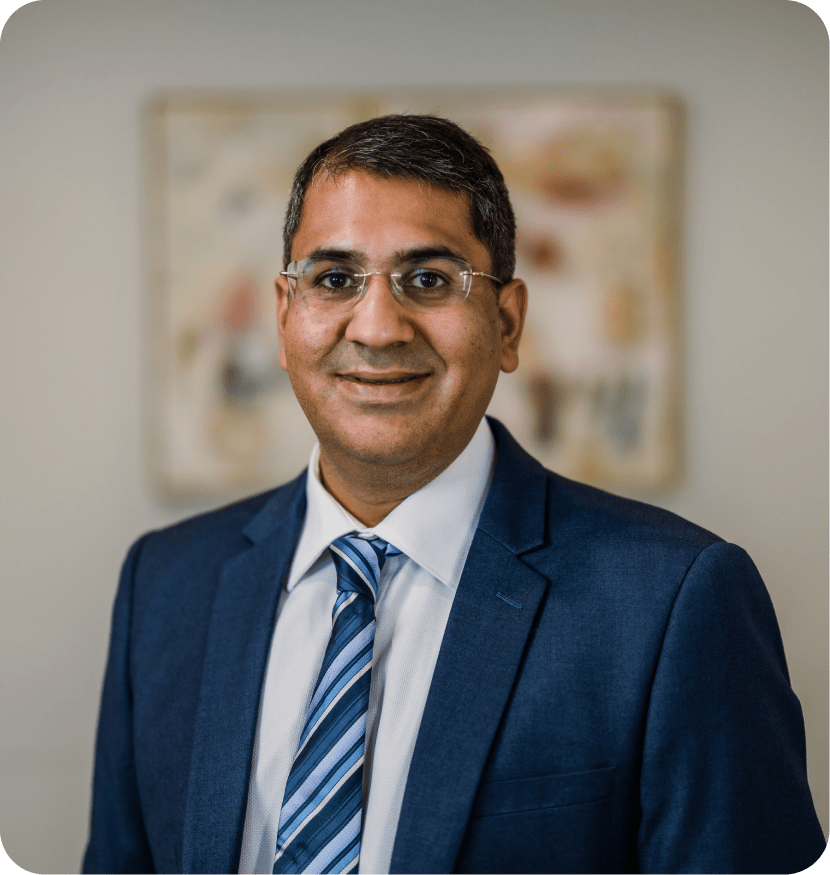
Dr Devesh Kaushal is a specialist general surgeon — with subspecialty expertise in upper GI and bariatric surgery — consulting at 4 Hyde Parade, Campbelltown. He sees patients referred from GPs across Campbelltown, Liverpool, Camden, Narellan, Gregory Hills and the broader Macarthur region.
Specialist General Surgical Consultations — Campbelltown Contact the rooms to discuss current availability | (02) 7906 8312 | drdeveshkaushal.com.au |
What Is a Specialist General Surgeon?
A specialist general surgeon is a medical doctor who has completed medical school, followed by several years of hospital-based surgical training, and has been awarded fellowship of the Royal Australasian College of Surgeons (FRACS). The FRACS qualification is the recognised standard of specialist surgical training in Australia and New Zealand.
Despite the word ‘general’, a specialist general surgeon is not a generalist — they are a highly trained specialist. The term refers to the breadth of the specialty, which encompasses surgery of the abdomen, gastrointestinal tract, skin, breast, endocrine glands and soft tissues — as distinct from orthopaedic surgery, neurosurgery, cardiac surgery, or other surgical subspecialties.
Many general surgeons also develop subspecialty expertise in particular areas — such as upper gastrointestinal surgery, bariatric (weight loss) surgery, colorectal surgery, hepatobiliary surgery, or breast surgery. Dr Kaushal’s subspecialty focus is upper GI and bariatric surgery.
FRACS — what it means: Fellow of the Royal Australasian College of Surgeons. This qualification indicates that a surgeon has completed the full specialist surgical training programme and met the RACS standards for clinical competence, knowledge and professional conduct. When choosing a surgeon in Campbelltown or anywhere in Australia, verifying FRACS qualification is an important first step. |
What Conditions Does a General Surgeon Treat?
🩺 | Colorectal conditions Colonoscopy, colorectal polyps, bowel cancer screening follow-up (positive FOBT), haemorrhoids, anal fissure, pilonidal disease, and colorectal cancer assessment. |
🔬 | Appendix and acute abdomen Appendicitis — inflammation of the appendix — is one of the most common surgical emergencies. Laparoscopic appendicectomy (keyhole removal) is the standard treatment. |
🧴 | Skin, lumps and soft tissue Skin cancer excision, lipoma (fatty lump) removal, sebaceous and epidermal cysts, and assessment of soft tissue masses. |
🏥 | Minor procedures Ingrown toenails, skin lesion biopsy and excision, wound assessment, and other minor surgical procedures. |
The scope of general surgery is broad. The following outlines the major categories of conditions managed by a specialist general surgeon in Campbelltown:
| Gallbladder disease Gallstones, acute cholecystitis (gallbladder inflammation), biliary colic, and gallbladder polyps. Laparoscopic cholecystectomy (keyhole gallbladder removal) is one of the most commonly performed procedures in general surgery. |

| Hernia repair Inguinal (groin) hernia, umbilical (belly button) hernia, incisional hernia, and hiatus hernia. Hernias occur when tissue pushes through a weakness in the abdominal wall. Both laparoscopic (keyhole) and open repair techniques are used. |

| Upper GI conditions Gastroscopy (telescope examination of the oesophagus, stomach and duodenum), gastro-oesophageal reflux disease (GORD), hiatus hernia, Barrett’s oesophagus, peptic ulcer disease, and upper GI bleeding. |

| Bariatric (weight loss) surgery Gastric sleeve, Roux-en-Y gastric bypass, and surgical management of obesity. Bariatric surgery is a subspecialty focus of Dr Kaushal’s practice. Assessment includes a detailed multidisciplinary workup. |

What Is the Difference Between a GP and a General Surgeon?
| General Practitioner (GP) | Specialist General Surgeon |
Role | First point of contact — assessment, diagnosis, initial management and referral | Specialist assessment, investigation, non-surgical and surgical management of specific conditions |
Training | Medical degree + GP vocational training (FRACGP) | Medical degree + 5–6 years specialist surgical training (FRACS) |
Performs surgery? | No | Yes — both diagnostic procedures (gastroscopy, colonoscopy) and operations |
When to see | First — for any new symptom, concern or health problem | After GP referral — when specialist assessment, investigation or surgery is indicated |
Referral needed? | No — you can book directly | Yes — GP referral recommended and required for Medicare rebate |
When Do You Need a Referral to a General Surgeon?
The decision to refer to a specialist general surgeon is made by your GP based on your symptoms, examination findings, and investigation results. The following are common reasons GPs refer patients to a general surgeon in Campbelltown:
Gallbladder and biliary symptoms:
- Confirmed gallstones on ultrasound — particularly if causing symptoms such as right upper abdominal pain, nausea or fatty food intolerance
- Acute cholecystitis (gallbladder inflammation) — after hospital assessment, for planned elective surgery
- Unexplained abnormalities on liver function tests alongside abdominal symptoms
- Gallbladder polyps identified on ultrasound requiring surveillance or removal
Hernia:
- A lump or bulge in the groin, belly button, or a previous surgical scar that your GP suspects is a hernia
- Known hernia causing symptoms — pain, discomfort, or increasing in size
- Hernia assessment for watchful waiting versus surgical repair
- Urgent referral for hernia that cannot be reduced or is associated with pain and vomiting
Upper GI and reflux:
- Persistent reflux or heartburn not controlled by proton pump inhibitor medication
- Suspected hiatus hernia — for assessment and discussion of surgical options
- Referral for gastroscopy — investigation of upper abdominal symptoms, dysphagia (difficulty swallowing), unexplained iron deficiency, or Barrett’s oesophagus surveillance
- Chronic nausea, vomiting or early satiety not explained by initial GP investigation
Bowel and colorectal symptoms:
- Rectal bleeding — to exclude serious causes including colorectal cancer
- Positive National Bowel Cancer Screening Program (FOBT) result — colonoscopy required
- Change in bowel habit persisting beyond 4–6 weeks in an adult over 40
- Unexplained iron deficiency anaemia — bowel investigation required
- Assessment of haemorrhoids, anal fissure, or pilonidal disease not responding to conservative management
Weight loss surgery:
- BMI of 40 or above — surgical assessment for bariatric surgery candidacy
- BMI of 35 or above with significant obesity-related comorbidities — such as type 2 diabetes, sleep apnoea, or hypertension — not controlled by lifestyle and medical management
- Patients who have attempted sustained weight loss through diet and lifestyle and have not achieved adequate results
Abdominal pain and other conditions:
- Persistent, unexplained or worsening abdominal pain not fully explained after GP assessment
- Suspected appendicitis — this is typically an emergency presentation directly to hospital
- Skin lesions or lumps requiring biopsy, excision or specialist assessment
- Abnormal findings on imaging — CT, ultrasound or MRI — suggesting a surgical cause
The GP pathway: For most non-urgent conditions, the appropriate pathway is: see your GP first — the GP will assess your symptoms, arrange initial investigations (blood tests, ultrasound), and refer to a specialist surgeon when indicated. This ensures the referral is targeted, the relevant preliminary workup is complete, and the specialist consultation is as productive as possible. |
What to Expect at a General Surgical Consultation in Campbelltown
Many patients are unsure what happens at a specialist surgical consultation — particularly if they have never seen a surgeon before. A consultation with Dr Kaushal typically follows this structure:
Step | What Happens |
History taking | Dr Kaushal takes a detailed history of your current symptoms — when they started, how they have changed, what makes them better or worse, associated symptoms, current medications, previous medical history, family history of relevant conditions, and previous surgery. |
Review of investigations | Any blood tests, ultrasound reports, CT scans, gastroscopy or colonoscopy reports from your GP are reviewed. Bringing all relevant documentation and imaging discs or reports to your appointment assists the assessment. |
Physical examination | A focused physical examination relevant to your symptoms. For abdominal conditions this typically includes an abdominal examination. The extent of the examination depends on the presenting complaint. |
Investigation planning | Where further investigation is required — for example gastroscopy, colonoscopy, MRCP, CT imaging, or blood tests not yet performed — Dr Kaushal arranges these at the consultation. |
Management discussion | Based on the history, examination and investigations, Dr Kaushal explains the likely diagnosis, the range of management options (non-surgical and surgical where relevant), the risks and benefits of each, and his recommendation. Surgery is recommended only where clinically appropriate. |
Questions and consent | You have the opportunity to ask any questions. If surgery is recommended, a separate consent discussion is held before any operative procedure. |
What to bring: Your GP referral letter, Medicare card, any blood test results, ultrasound or imaging reports, a list of current medications, and any previous specialist letters or operative reports if relevant. Bring a support person if you would like one. |
Does a Referral to a Surgeon Mean I Will Have an Operation?
No. A referral to a surgeon does not mean surgery is certain or inevitable. A surgical consultation is an assessment — the purpose is to evaluate your condition, determine the diagnosis, and discuss the full range of management options with you.
For many conditions, the initial management recommended by a surgeon is non-surgical — dietary changes, medication, surveillance, or referral to another specialist. Surgery is recommended only when it is the most appropriate treatment for your specific condition, and after a thorough discussion of the risks, benefits and alternatives.
Some patients are referred to a general surgeon specifically for an endoscopic procedure — gastroscopy or colonoscopy — rather than for open or laparoscopic surgery. These are investigative procedures that allow the inside of the gastrointestinal tract to be directly visualised, and are distinct from surgical operations.
Informed consent: No surgical procedure is performed without a thorough pre-operative discussion, your questions being answered, and your written consent. You always have the right to take time to consider your options, seek a second opinion, or decline a recommended procedure. |
General Surgical Services Available at Campbelltown
Dr Devesh Kaushal provides the following specialist general surgical services from his Campbelltown consulting rooms at 4 Hyde Parade:
Consultations and assessment:
- New patient specialist surgical consultations
- Review of imaging, blood tests and previous specialist letters
- Pre-operative assessment and surgical planning
- Post-operative follow-up
Endoscopic procedures:
- Gastroscopy — assessment of the oesophagus, stomach and duodenum
- Colonoscopy — assessment of the colon and rectum, polyp removal
Laparoscopic (keyhole) surgical procedures:
- Laparoscopic cholecystectomy — gallbladder removal
- Laparoscopic appendicectomy — appendix removal
- Laparoscopic inguinal and umbilical hernia repair
- Laparoscopic anti-reflux surgery and hiatus hernia repair
- Laparoscopic gastric sleeve and gastric bypass (bariatric surgery)
- Laparoscopic colorectal procedures
Open and minor surgical procedures:
- Open hernia repair
- Skin lesion excision and skin cancer surgery
- Lipoma, cyst and soft tissue lump removal
- Pilonidal sinus and abscess management
Not sure if Dr Kaushal sees your condition? Contact the rooms on (02) 7906 8312 and the team can advise whether the presenting condition falls within the scope of Dr Kaushal’s practice, or suggest an appropriate specialist if it does not. |
Frequently Asked Questions
Do I need a GP referral to see a general surgeon in Campbelltown?
A GP referral is recommended and is required to claim an eligible Medicare rebate for a specialist surgical consultation. You can request a referral from any GP — including your usual GP or a GP you see at a walk-in or after-hours clinic. Without a referral, you can still attend as a private patient, though you will not be eligible for a Medicare rebate on the consultation fee. In most circumstances, starting with your GP is the appropriate pathway — your GP can coordinate initial investigations and ensure the referral is directed to the right specialist.
How long does it take to get an appointment with a general surgeon in Campbelltown?
Appointment availability varies depending on the urgency of the referral and current demand. Routine referrals are typically seen within a few weeks. Urgent referrals — for conditions such as suspected cancer, rapidly worsening symptoms, or significant complications — are prioritised. Contact Dr Kaushal’s rooms directly on (02) 7906 8312 to discuss current availability and the appropriate urgency category for your referral.
What is the difference between a general surgeon and a gastroenterologist?
A gastroenterologist is a physician — not a surgeon — who specialises in conditions of the digestive system. They perform endoscopic procedures (gastroscopy, colonoscopy) and manage conditions such as inflammatory bowel disease, irritable bowel syndrome, coeliac disease and hepatitis medically. A general surgeon can also perform gastroscopy and colonoscopy, and additionally performs surgical operations. For conditions requiring surgery — gallbladder removal, hernia repair, anti-reflux surgery, colorectal resection — a specialist general surgeon is the appropriate referral. For conditions managed medically or where endoscopy alone is required, a gastroenterologist may be more appropriate. GPs will advise on the most suitable specialist for a given presentation.
I have been told I have a hernia — do I need to see a surgeon urgently?
Most hernias are non-urgent — a routine GP referral to a general surgeon for assessment and discussion of management options is appropriate. However, attend an emergency department immediately if your hernia is associated with: sudden severe constant pain, a lump that has become firm and cannot be pushed back, vomiting, or skin discolouration over the hernia. These may indicate an incarcerated or strangulated hernia — a surgical emergency.
My GP mentioned I need a gastroscopy — will the surgeon do this, or a gastroenterologist?
Both specialist general surgeons and gastroenterologists perform gastroscopy in Australia. Which specialist performs your gastroscopy depends on the reason for the investigation and the local referral pathway. Dr Kaushal performs diagnostic and therapeutic gastroscopy at his Campbelltown rooms for patients referred for investigation of upper gastrointestinal symptoms. If your GP is unsure which specialist to refer to, they can contact the rooms for guidance.
Can I be seen at Campbelltown Public Hospital by Dr Kaushal?
Dr Kaushal holds appointments at both Campbelltown Public Hospital and Campbelltown Private Hospital, as well as Sydney Southwest Private Hospital Liverpool and The George Hospital. Public hospital access is through the public referral system — your GP can arrange this pathway if clinically appropriate. Private consultations at 4 Hyde Parade, Campbelltown are available with a GP referral and appropriate private health cover or as a self-funded patient.
General Surgical Consultations — Campbelltown
If you have been referred by your GP, have symptoms you would like assessed by a specialist general surgeon, or would like to discuss whether Dr Kaushal’s practice is the right referral for your condition — contact the rooms at 4 Hyde Parade, Campbelltown. A GP referral is recommended and required for Medicare rebates.
Specialist General Surgeon | Upper GI and Bariatric Surgery 4 Hyde Parade, Campbelltown NSW 2560 Phone: (02) 7906 8312 Email: [email protected] | drdeveshkaushal.com.au Office Hours: Monday – Friday, 9:00 AM – 5:00 PM Current hospital appointments and accreditations include: Sydney Southwest Private Hospital Liverpool | Campbelltown Public Hospital | Campbelltown Private Hospital | The George Hospital Medicare rebates and private health insurance benefits may apply depending on the service, referral and individual policy. Please contact the rooms and your insurer regarding fees and potential out-of-pocket costs. |
General information only: This article provides general educational information about the role of a specialist general surgeon and when a referral may be appropriate. It does not replace advice from your GP or specialist. If you have symptoms that concern you, see your GP for assessment and advice about the most appropriate referral pathway. |